"Michael Julian has written an excellent book. Practical, detailed, and a potential life saver if you find yourself in the midst of a targeted attack."
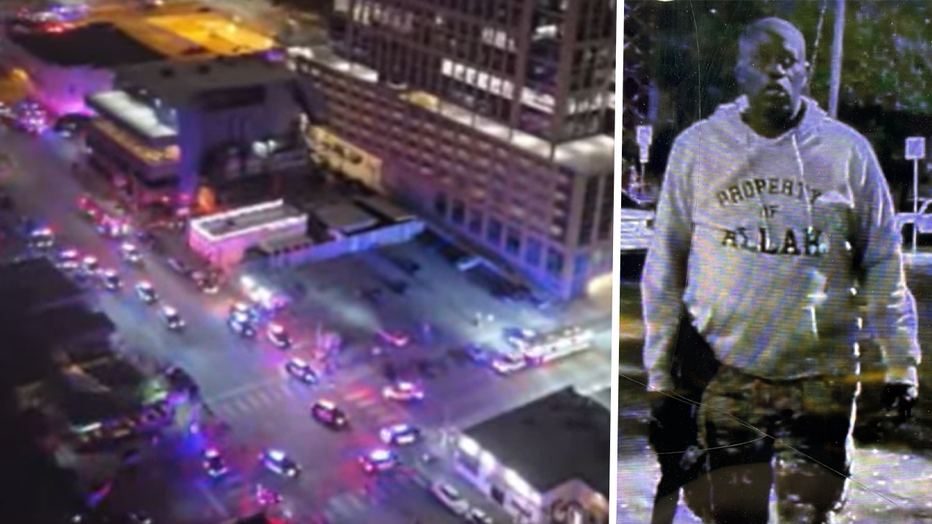
The March 1st 2026 Austin TX Mass Shooting - Active Threat Training Can Save Lives
Tragedy in Downtown Austin
On March 1, 2026, a mass shooting unfolded outside Buford’s Backyard Beer Garden on West Sixth Street in Austin, Texas. The gunman, identified as 53-year-old Ndiaga Diagne, opened fire from his vehicle and on foot, killing three people and injuring 14 others before responding officers shot him. Local authorities and the FBI are investigating the attack as a possible act of terrorism.
Bars, entertainment districts, and community spaces where people gather are meant to be places of connection and celebration. When violence erupts in these settings, lives are lost instantly and responses must happen in seconds, not minutes.
Violence Can Start Without Warning
Mass violence like the Austin shooting usually begins with ordinary activity. On that night, people were enjoying a popular nightlife area when the first shots rang out. Civilians had no forewarning and little time to process what was happening.
This reality stresses one truth:
-
Most violent attacks do not announce themselves clearly before they start.
-
People must make life-saving decisions in real time.
-
Active resistance or movement is often necessary before first responders can reach the scene.
Safety Plans Are Not Enough
Traditional safety plans focus on awareness and compliance. They tell people where exits are, what lockdown instructions to follow, and how to report a threat. These plans are important for general safety and often required by policy.
However, in a sudden active threat:
-
Instinct can override planned responses.
-
Shock and denial delay action.
-
People wait to confirm danger before reacting.
These natural human responses are not flaws. They are a result of how our brains process stress in crisis. Training must prepare people for survival in those first critical moments.
Training Builds Action Under Stress
Active threat training like A.L.I.V.E. goes beyond awareness. It builds practical decision-making and conditioned responses so individuals can act decisively when faced with real violence.
Training helps people:
-
Recognize abnormal threat behavior earlier
-
Make rapid decisions rather than wait for confirmation
-
Move toward safety instead of hesitation
-
Adapt when plans do not unfold perfectly
-
Navigate their environment with awareness
These survival-focused responses increase survivability in situations where every second counts.
Prevention Is a Shared Responsibility
No training can stop every act of violence. But preparation can reduce casualties and improve outcomes. In the Austin shooting, police were on patrol nearby and responded within about a minute of the first 911 call, which likely prevented additional casualties. Still, the first moment of violence is experienced entirely by civilians on the ground. Prepared civilians can:
-
Recognize danger sooner
-
Move out of harm’s way faster
-
Help others find safety
-
Reduce delays caused by indecision
When organizations invest in training, they empower individuals with survival knowledge that can bridge the gap before help arrives.
What Can Be Done Before Violence Strikes
Training that works in real-world conditions teaches people:
-
How to break denial early
-
How to use environmental cues to find safe movement paths
-
How to act despite fear
-
How to coordinate with others when direction is unclear
-
How to prioritize movement over waiting
These skills reduce hesitation and create survival actions instead of passive response.
The Takeaway
The 2026 Austin mass shooting is a stark reminder that violence can occur without warning in even the most familiar places. Awareness and safety procedures are necessary, but they do not prepare people for the physiological and psychological realities of violence-driven stress.
Active threat training like A.L.I.V.E. conditions decision-making, sharpens recognition, and prepares individuals to act in seconds rather than freeze. That preparation increases survivability and gives people a chance to save themselves and others when every second matters. Contact us today to learn more about this life-saving training.
Image source: Fox 7 Austin
About the Author
Michael D. Julian is President of MPS Security & Protection and a 30-plus-year veteran of the security and investigations industry. He served as President of the California Association of Licensed Investigators (CALI) from 2005 to 2015 and has led executive protection, residential security, and corporate investigations engagements for Fortune 500 principals, high-net-worth families, and public figures across the United States. Connect with Michael on LinkedIn.
LEARN HOW TO SURVIVE AN ACTIVE SHOOTER!
ALSO AVAILABLE FOR AUDIO DOWNLOAD, E-BOOK, AND PAPERBACK / HARDCOVER ON AMAZON



Hear From An A.L.I.V.E. Student Survivor Of The Las Vegas Massacre
"As a retired 32 year law enforcement veteran, with several years of SWAT and tactical experience, I learned some different unique perspectives as it pertains to civilians dealing with active threat situations. Very good class for civilians who may have never experienced reacting to a life and death stressful situation."
- Christopher C.
A.L.I.V.E. STANDS FOR:
Assess
Assess the situation quickly
Leave
Leave the area if you can
Impede
Impede the shooter
Violence
Violence may be necessary
Expose
Expose your position carefully for safety
INDUSTRIES WE SERVE
Corporations
Government
Healthcare
Places of worship
Schools & Universities
Venues
MICHAEL JULIAN
Creator of A.L.I.V.E.
A.L.I.V.E., which stands for Assess, Leave, Impede, Violence, and Expose, was created in 2014 when Michael began teaching his Active Shooter Survival philosophy throughout the United States. His book on the subject, 10 Minutes to Live: Surviving an Active Shooter Using A.L.I.V.E. was published in 2017 and the online version of the A.L.I.V.E. Training Program was launched in 2019 and is now part of the corporate security training program for companies throughout the world.

Why A.L.I.V.E. Active Shooter
Survival Training Program?
The A.L.I.V.E. Active Shooter Survival Training Program is a comprehensive training program designed to provide individuals with the necessary skills and knowledge to survive an active shooter incident. Its emphasis on situational awareness and decision-making makes it a practical and effective approach to active shooter situations. By empowering individuals to take proactive measures to protect themselves and others, the program can help prevent tragedies and save lives.