"Michael Julian has written an excellent book. Practical, detailed, and a potential life saver if you find yourself in the midst of a targeted attack."

The Cost of Assuming "It Won't Happen Here"
Complacency Is Quiet but Costly
After every major act of violence, communities respond with shock. The phrase heard most often is, “We never thought it would happen here.” The belief that violence is something that happens somewhere else - in larger cities, in different states, in other countries — creates a dangerous form of complacency.
Complacency does not feel reckless. It feels reasonable. It feels comforting. But the cost of assuming “it won’t happen here” is measured in unpreparedness.
Familiar Environments Create False Security
Schools, sporting venues, workplaces, churches, and community centers are built around routine and trust. These are environments designed for connection and productivity, not defense. Because they feel familiar and controlled, they often create a false sense of security.
Familiarity can reduce vigilance. When people believe their environment is inherently safe, they are slower to recognize abnormal behavior or emerging threats.
Violence does not require a reputation for danger. It only requires opportunity.
Risk Is Not Limited by Geography
No community is immune from violence. Incidents occur in urban and rural settings, in small towns and major cities, in public and private facilities. The assumption that location alone provides protection is unsupported by reality.
Threats emerge in places where people gather. High-density, publicly accessible environments inherently carry risk. Assuming immunity based on history, size, or demographics ignores how rapidly circumstances can change.
Delay Begins with Denial
When an incident begins, one of the most common human reactions is denial. People question whether what they are seeing or hearing is real. They wait for confirmation. They look to others for cues.
That delay is costly.
The longer it takes for individuals to accept that a threat is real, the longer they hesitate to act. In high-stress situations, seconds matter. Denial consumes those seconds.
Preparedness Shortens the Gap
Preparedness changes how quickly people transition from recognition to action. Training helps individuals:
-
Identify abnormal behavior sooner
-
Accept the reality of threat more quickly
-
Make faster, more confident decisions
-
Move with purpose instead of hesitation
-
Assist others effectively
Preparedness does not create fear. It reduces uncertainty.
Leadership Responsibility Extends Beyond Hope
Organizations have a duty of care to those they serve and employ. Relying on hope - or on the belief that past safety guarantees future protection — is not a strategy.
Effective leadership recognizes that preparation is not a reaction to fear. It is a proactive measure grounded in responsibility. When organizations invest in training and preparedness, they communicate that safety is not assumed - it is reinforced.
Culture Determines Readiness
Preparedness is not built in a single meeting or annual drill. It is reinforced through culture. When awareness, training, and accountability are integrated into everyday operations, readiness improves.
A culture of preparedness ensures that if violence does occur, individuals are not confronting it for the first time in real time.
The Takeaway
The cost of assuming "it won’t happen here" is measured in hesitation, confusion, and unpreparedness. Violence does not select communities based on reputation or history. It occurs where opportunity exists.
Preparedness does not guarantee safety. But it dramatically improves survivability.
Organizations that move beyond assumption and invest in structured, civilian-focused survival training strengthen their ability to protect lives when seconds matter most.
A.L.I.V.E. provides practical active-threat preparedness training designed to replace complacency with clarity, shorten hesitation, and empower individuals to act decisively if confronted with violence. Contact us today to learn more.
About the Author
Michael D. Julian is President of MPS Security & Protection and a 30-plus-year veteran of the security and investigations industry. He served as President of the California Association of Licensed Investigators (CALI) from 2005 to 2015 and has led executive protection, residential security, and corporate investigations engagements for Fortune 500 principals, high-net-worth families, and public figures across the United States. Connect with Michael on LinkedIn.
LEARN HOW TO SURVIVE AN ACTIVE SHOOTER!
ALSO AVAILABLE FOR AUDIO DOWNLOAD, E-BOOK, AND PAPERBACK / HARDCOVER ON AMAZON



Hear From An A.L.I.V.E. Student Survivor Of The Las Vegas Massacre
"As a retired 32 year law enforcement veteran, with several years of SWAT and tactical experience, I learned some different unique perspectives as it pertains to civilians dealing with active threat situations. Very good class for civilians who may have never experienced reacting to a life and death stressful situation."
- Christopher C.
A.L.I.V.E. STANDS FOR:
Assess
Assess the situation quickly
Leave
Leave the area if you can
Impede
Impede the shooter
Violence
Violence may be necessary
Expose
Expose your position carefully for safety
INDUSTRIES WE SERVE
Corporations
Government
Healthcare
Places of worship
Schools & Universities
Venues
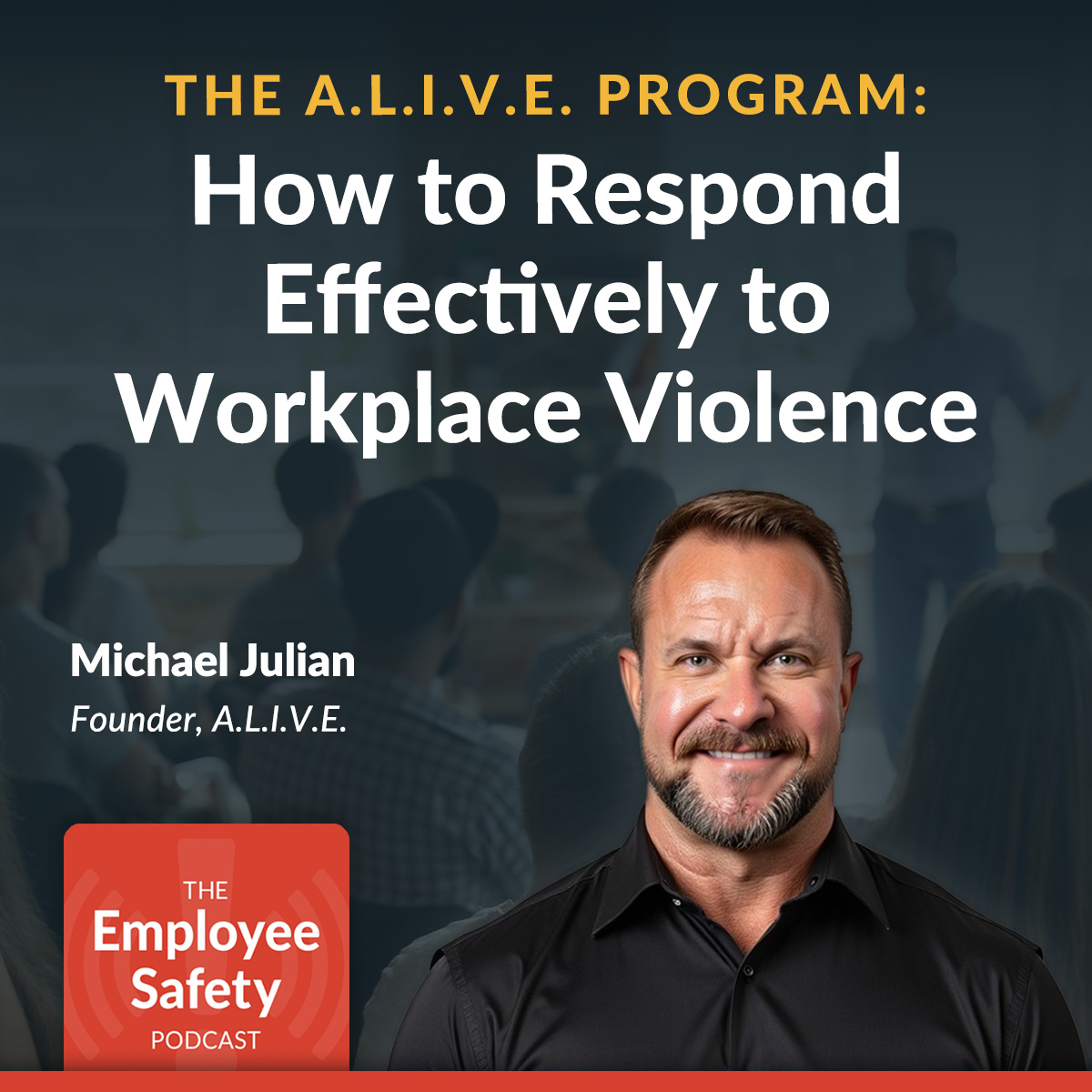
MICHAEL JULIAN
Creator of A.L.I.V.E.
A.L.I.V.E., which stands for Assess, Leave, Impede, Violence, and Expose, was created in 2014 when Michael began teaching his Active Shooter Survival philosophy throughout the United States. His book on the subject, 10 Minutes to Live: Surviving an Active Shooter Using A.L.I.V.E. was published in 2017 and the online version of the A.L.I.V.E. Training Program was launched in 2019 and is now part of the corporate security training program for companies throughout the world.

Why A.L.I.V.E. Active Shooter
Survival Training Program?
The A.L.I.V.E. Active Shooter Survival Training Program is a comprehensive training program designed to provide individuals with the necessary skills and knowledge to survive an active shooter incident. Its emphasis on situational awareness and decision-making makes it a practical and effective approach to active shooter situations. By empowering individuals to take proactive measures to protect themselves and others, the program can help prevent tragedies and save lives.