"Michael Julian has written an excellent book. Practical, detailed, and a potential life saver if you find yourself in the midst of a targeted attack."
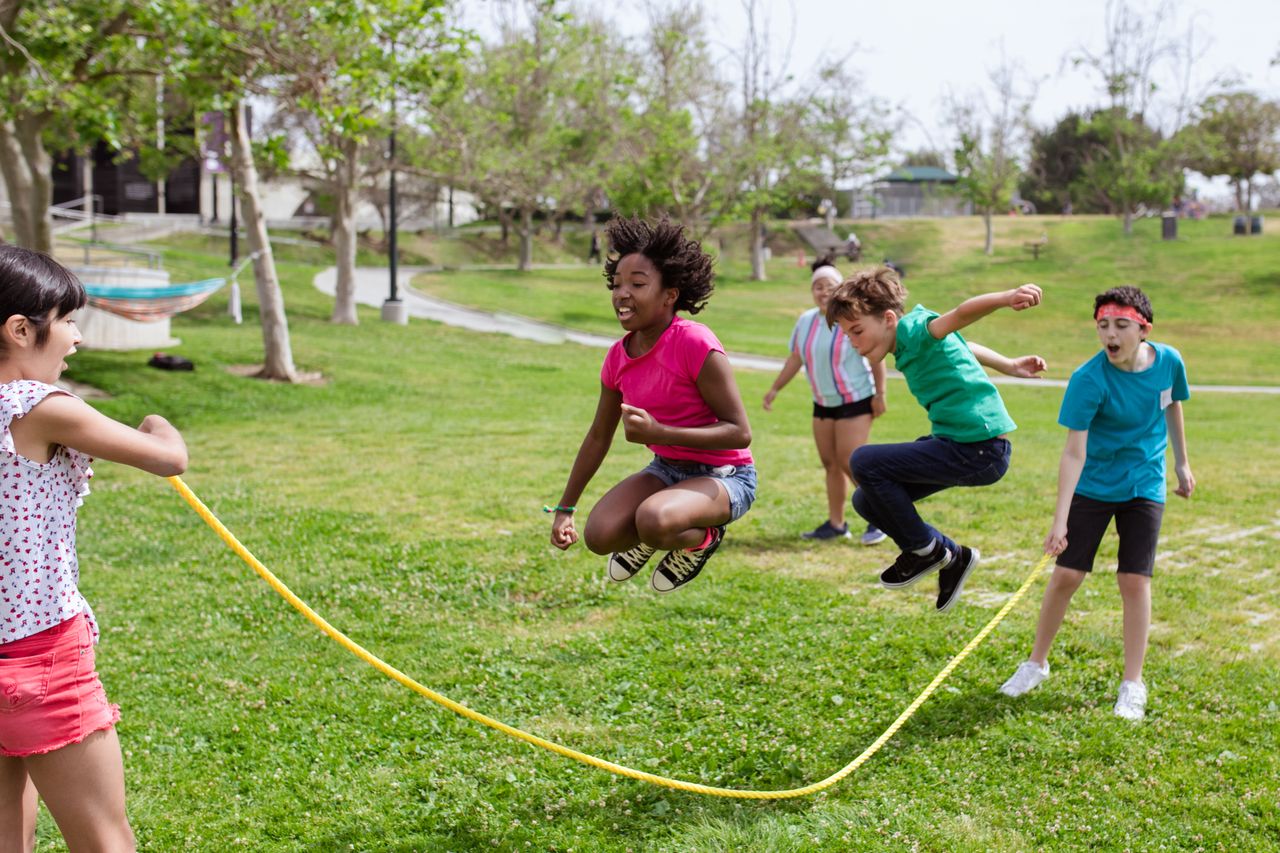
Active Shooter Training for Summer Camps and Youth Programs: A 2026 Safety Guide for Camp Directors
Active shooter training for summer camps is structured preparation that teaches seasonal staff and counselors how to recognize a threat early, move large groups of children to safety, and make fast survival decisions in the minutes before law enforcement arrives. For a camp, that training has to account for a reality most workplaces never face: a population that is overwhelmingly young, spread across open ground, and dependent on adults for every decision.
Summer is the season when American childcare moves outdoors and into temporary spaces. Each year more than 26 million children and adults take part in the camp experience across roughly 20,175 camps nationwide, according to the American Camp Association. Those campers are supervised largely by college-age and first-year staff who were hired weeks earlier and trained mostly on swim safety, allergies, and behavior management. Violence response is often an afterthought, and that is exactly the gap this guide is meant to close.
Why summer camps are a distinct security challenge
A camp is not a school building. There are no locking classroom doors, no single controlled entrance, and frequently no hard walls at all. Children rotate between a lake, a field, a mess hall, cabins, and craft areas throughout the day. The same openness that makes camp valuable also makes it difficult to secure.
The threat is real even as the broad trend improves. The FBI designated 24 shootings as active shooter incidents in 2024, a 50 percent decrease from the 48 incidents in 2023, according to the FBI's 2024 Active Shooter Incidents report. Fewer incidents is encouraging, but the locations that do get attacked - open spaces, places of commerce, and places where people gather without security screening - describe a typical camp setting closely. Preparedness is not about predicting an attack. It is about making sure the adults on site are not improvising if one happens.
What should active shooter training for camp staff cover?
Effective training for a youth program is built around the constraints of the environment and the age of the people being protected. In our 30 years of training organizations to survive violent events, we have found camp staff need a focused set of capabilities rather than a generic lecture.
The core elements include rapid threat recognition, clear and calm communication that does not panic children, pre-decided movement plans for each major camp area, and simple physical actions counselors can lead without freezing. Counselors also need permission, in advance, to act on their own judgment. A 19-year-old cabin leader who waits for the camp director to radio instructions has already lost the time that matters most.
Staff should also understand what to watch for in the days and weeks beforehand. Counselors live alongside campers and other staff, which makes them well positioned to notice the warning signs that often come before an attack - a fixation on weapons, a specific grievance, or a sudden, marked change in behavior. Observation is not paranoia. It is the earliest and cheapest layer of protection a camp has.
How is survival training different from a standard safety briefing?
Many camps believe they are prepared because they run fire drills and have a written emergency plan in a binder. Those are valuable, but they are compliance measures, not survival capability. A fire drill teaches children to file out in an orderly line toward a known exit. An armed-threat event may require the opposite: moving away from the threat, using barriers, and staying out of predictable open lanes.
This is the difference between routine safety drills and survival training. Survival training builds the decision-making and muscle memory that hold up under genuine stress, when fine motor skills degrade and people default to whatever they have actually practiced. For a camp, that means rehearsing realistic, age-appropriate responses for the field, the dining hall, and the waterfront - not just the cabin.
Building a camp-specific response plan
A strong plan starts with mapping the property the way an attacker would see it. Where are the choke points? Which areas have no cover at all? How long does it take to move 40 children out of an open field? Camp leadership should answer these questions before opening week, not during an incident.
The plan should assign clear roles, establish a reliable way to alert all staff at once across a large outdoor footprint, and define rally points that are realistic for small children to reach. It should also address the youngest and least mobile campers, who cannot run or follow complex instructions. Finally, the plan needs to be practiced by the actual seasonal staff each session, because turnover means last year's trained team is gone.
Camps that serve families across multiple counties, including communities here on Florida's Space Coast, should also coordinate with their local law enforcement agency before the season starts so responders know the property layout in advance.
Frequently asked questions
At what age can children participate in active shooter preparedness at a camp?
Preparedness for young children is led by adults, not taught as a drill that could frighten campers. For the youngest age groups, the responsibility sits entirely with trained staff who guide children calmly. Older youth programs and teen camps can incorporate simple, reassuring instructions, but the emphasis is always on counselor readiness rather than burdening children.
How long does staff training take during a busy camp season?
Foundational active shooter survival training can be delivered to a seasonal staff team in a focused session before campers arrive, then reinforced with short refreshers during the season. The goal is not a one-time lecture but practiced, repeatable actions that new staff can perform under stress.
Do small or faith-based camps really need this training?
Yes. The locations attacked in recent years include open spaces and gathering places without security screening, which describes most small and faith-based camps. Size and budget do not determine risk, and even a brief, well-designed program meaningfully improves how staff respond.
Can active shooter training scare campers or upset parents?
When delivered correctly, the training is directed at staff and built into normal operations, so campers experience confident, well-prepared counselors rather than fear-based drills. Many parents now expect youth programs to have a real plan, and communicating that you are trained is increasingly a trust signal for families choosing a camp.
What is the single most important thing a camp can do before opening day?
Train the actual staff who will be on the ground this season and give them advance permission to act. A plan in a binder protects no one. Practiced people who know their roles and trust their own judgment are what saves lives in the first critical minutes.
Prepare your staff before the season starts
If you run a summer camp or youth program, the time to build survival capability is before the first bus arrives, not after an incident makes headlines. A.L.I.V.E. delivers training designed for real environments and real people, including the open, fast-moving settings that define camp life. Contact our team to schedule training tailored to your program before this season begins.
About the author
Michael D. Julian is the creator of A.L.I.V.E. Active Shooter Survival Training and brings more than 30 years of security and safety experience to the field. He served as President of the California Association of Licensed Investigators (CALI) from 2005 to 2015 and has spent his career helping organizations prepare for and survive violent events. Connect with Michael on LinkedIn.
LEARN HOW TO SURVIVE AN ACTIVE SHOOTER!
ALSO AVAILABLE FOR AUDIO DOWNLOAD, E-BOOK, AND PAPERBACK / HARDCOVER ON AMAZON



Hear From An A.L.I.V.E. Student Survivor Of The Las Vegas Massacre
"As a retired 32 year law enforcement veteran, with several years of SWAT and tactical experience, I learned some different unique perspectives as it pertains to civilians dealing with active threat situations. Very good class for civilians who may have never experienced reacting to a life and death stressful situation."
- Christopher C.
A.L.I.V.E. STANDS FOR:
Assess
Assess the situation quickly
Leave
Leave the area if you can
Impede
Impede the shooter
Violence
Violence may be necessary
Expose
Expose your position carefully for safety
INDUSTRIES WE SERVE
Corporations
Government
Healthcare
Places of worship
Schools & Universities
Venues
MICHAEL JULIAN
Creator of A.L.I.V.E.
A.L.I.V.E., which stands for Assess, Leave, Impede, Violence, and Expose, was created in 2014 when Michael began teaching his Active Shooter Survival philosophy throughout the United States. His book on the subject, 10 Minutes to Live: Surviving an Active Shooter Using A.L.I.V.E. was published in 2017 and the online version of the A.L.I.V.E. Training Program was launched in 2019 and is now part of the corporate security training program for companies throughout the world.

Why A.L.I.V.E. Active Shooter
Survival Training Program?
The A.L.I.V.E. Active Shooter Survival Training Program is a comprehensive training program designed to provide individuals with the necessary skills and knowledge to survive an active shooter incident. Its emphasis on situational awareness and decision-making makes it a practical and effective approach to active shooter situations. By empowering individuals to take proactive measures to protect themselves and others, the program can help prevent tragedies and save lives.